

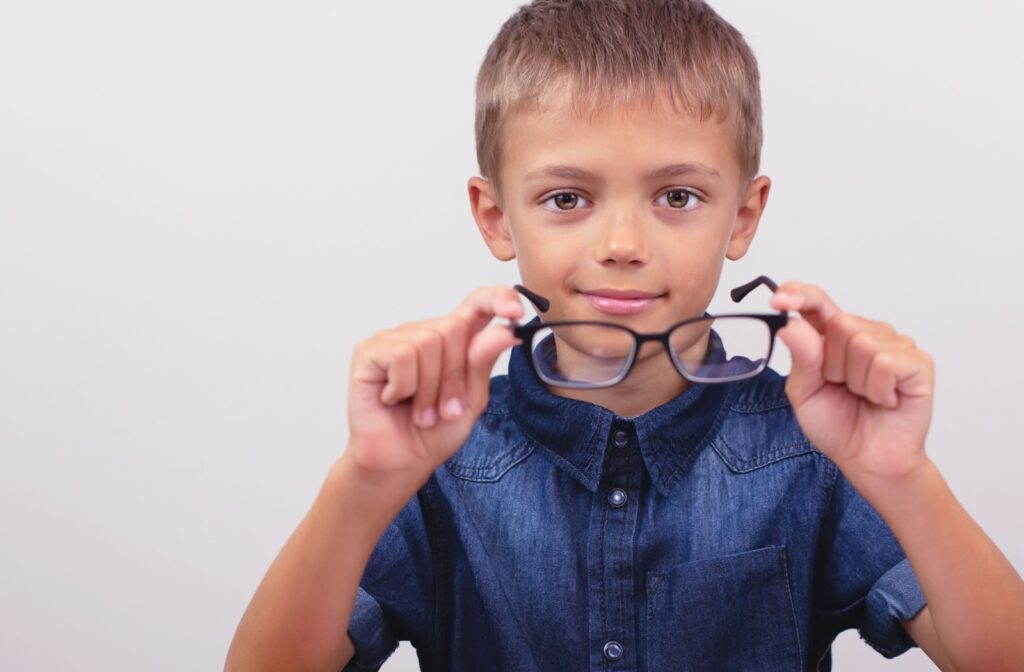
Maybe you’ve noticed that street signs look a bit fuzzy, or maybe your child is squinting to see the board at school. This common experience points to nearsightedness, and it’s often one of the first signs your child needs glasses.
While you can’t fully reverse nearsightedness once it develops, you can take meaningful steps to slow its progression and manage your vision effectively. A proactive approach to eye health involves regular eye exams and exploring ways to support clear vision. From lifestyle adjustments to professional treatments, there are several options available.
What Is Nearsightedness & Why Does It Happen?
Nearsightedness, or myopia, is when you can see objects up close clearly, but objects farther away appear blurry. This occurs when the shape of your eye causes light rays to fall in front of your retina (a tissue on the back of your eye) rather than directly onto it. Usually, this is because the eye is too long front-to-back.
Common Causes & Risk Factors
Your family history plays a significant role in your chances of developing nearsightedness. If one or both of your parents are nearsighted, you’re more likely to be as well. Environmental factors, such as spending long hours on close-up tasks like reading or using screens, can also contribute.
At What Age Does Nearsightedness Start?
Myopia often begins during childhood, and it tends to progress as children grow. The condition typically stabilizes in the late teens or early twenties. Because myopia starts early, addressing it during the childhood years is important.
Healthy Habits to Help Slow Nearsightedness
While myopia can’t be reversed, we can take steps to slow its progression in children. Simple, consistent routines can make a noticeable difference in visual comfort.
The Role of Outdoor Time
Research suggests that spending more time outside can be helpful for young eyes. Bright, natural light and the need to focus on distant objects give eyes a much-needed break from close-up work. Encouraging outdoor play is a simple way to support your child’s developing vision.
Limit Close-Up Work & Screen Time
Extended periods of reading, writing, or looking at digital screens can all put strain on your eyes. It’s important to be mindful of how much time your family spends on these activities. Regular breaks allow eye muscles to relax and refocus.
What Is the 20-20-20 Rule for Myopia?
To help reduce eye strain, a common practice is the 20-20-20 rule. Every 20 minutes, take a 20-second break to look at something at least 20 feet away. This simple exercise can help relieve the tension that builds up during focused tasks.
Can You Reverse Nearsightedness?
It’s not possible to reverse nearsightedness naturally. The physical change in the eye’s shape is permanent. However, there are many effective ways to correct your vision and see clearly.
Myopia Management vs. Correction
The goal of myopia management is not to reverse the condition, but to slow down its progression. This is particularly important for children, as it can help reduce their chances of developing high myopia. Correcting vision, on the other hand, simply helps you see clearly with your current prescription.
Options for Vision Correction
Different types of corrective lenses are a common and effective way to manage nearsightedness. They work by refocusing light correctly onto your retina. Your options include:
- Eyeglasses
- Contact Lenses
Surgical Procedures to Consider
For adults whose prescriptions have been stable for some time, surgical options like LASIK for myopia may be a consideration. These procedures reshape the cornea to correct how light enters the eye. An eye doctor can help determine if you are a good candidate for these treatments.
Professional Myopia Control Options
For some people, especially children whose vision is still changing, an eye doctor might suggest a myopia control program. These methods are designed to help slow down how quickly nearsightedness gets worse. They go beyond standard glasses or contacts.
Contact Lenses for Myopia Control
Certain multifocal contact lenses are designed to manage myopia progression. They have different focusing powers that help the eye focus light correctly on both the central and peripheral retina. Orthokeratology, or ortho-k, involves wearing special lenses overnight to gently reshape the cornea for clear vision during the day.
Medicated Eye Drops
Low-dose atropine eye drops are another option that has shown promise in slowing myopia. When used daily, these drops can help relax the eye’s focusing mechanism. This may reduce the signal for the eye to grow longer.
Discuss Options with Your Optometrist
Each person’s eyes and lifestyle are unique. A thorough conversation with your optometrist can help you understand the available options. Together, you can create a plan that fits your family’s needs.
The Value of Regular Eye Exams
Routine eye check-ups are important for everyone, from children to seniors, as they allow your optometrist to track changes in your vision and catch potential issues early. For children, exams are also a way to track how their vision is developing over time.
What to Expect During an Exam
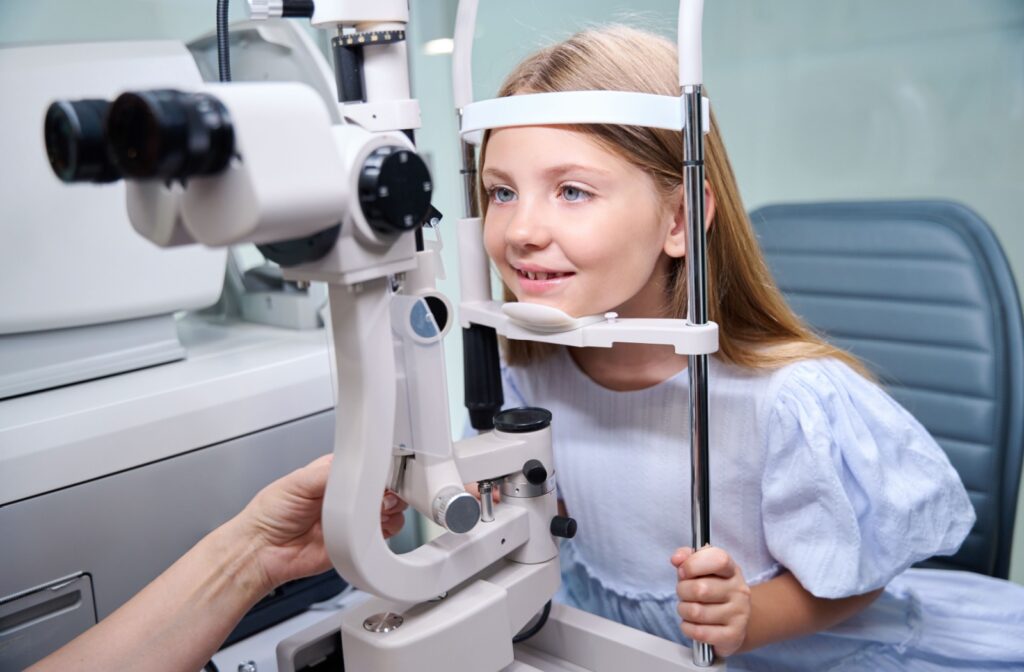
A comprehensive eye exam involves more than reading an eye chart. Your eye doctor will assess your vision, check for eye diseases, and evaluate how your eyes work together as a team. This complete picture of your eye health helps inform your optometrist’s recommendations.
When to See an Eye Doctor in Solana Beach
If you notice changes in your vision—or your child’s vision—it’s a good idea to schedule an appointment. A comprehensive eye exam is the first step to address nearsightedness. An eye doctor in Solana Beach can provide the personalized care you need.
At Total Vision Solana Beach, we are dedicated to helping families achieve clear and comfortable vision. Our team is here to answer your questions about myopia and explore the right solutions for you. Schedule an appointment and take the next step in your family’s eye care journey.